

Europe
Zell am See–Kaprun Resort Guide
Projected to open Nov 30
Projected to open November 30, 2026
Best months to book: March, February, January · 30-yr snow record
Scroll for happiness
Projected to open Nov 30
Weather data is still collected for informational purposes.
Last Snowfall
Oct 26
4d agoPast 24 Hours
0cm
Past 48 Hours
0cm
Past 10 Days
14cm
7-Day Forecast
5cm
Snow Depth
--
Resort Guide
Zell am See–Kaprun is a renowned ski region in Austria’s Salzburg province, combining the lakeside town of Zell am See with the glacier area of Kaprun. The resort offers over 400 kilometers of ski slopes, including glacier skiing on the Kitzsteinhorn, panoramic lake and mountain views, and a variety of runs suitable for all abilities. Visitors benefit from modern lift systems, a vibrant après-ski scene, wellness facilities, and year-round snow reliability on the glacier, making it a versatile destination for both winter sports and relaxation. The unique combination of alpine and lakeside landscapes distinguishes Zell am See–Kaprun as a standout in the Alps.
Gallery
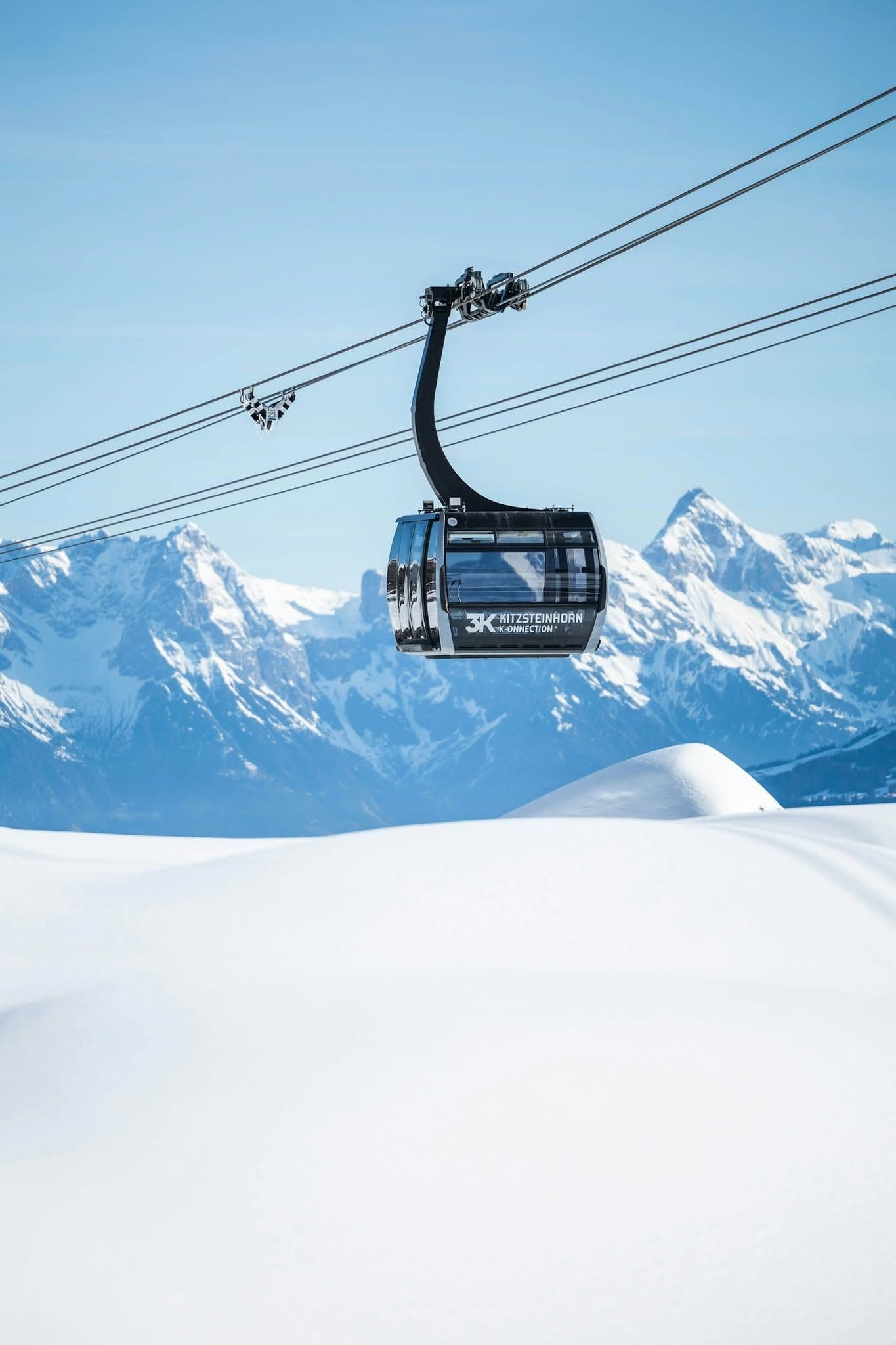
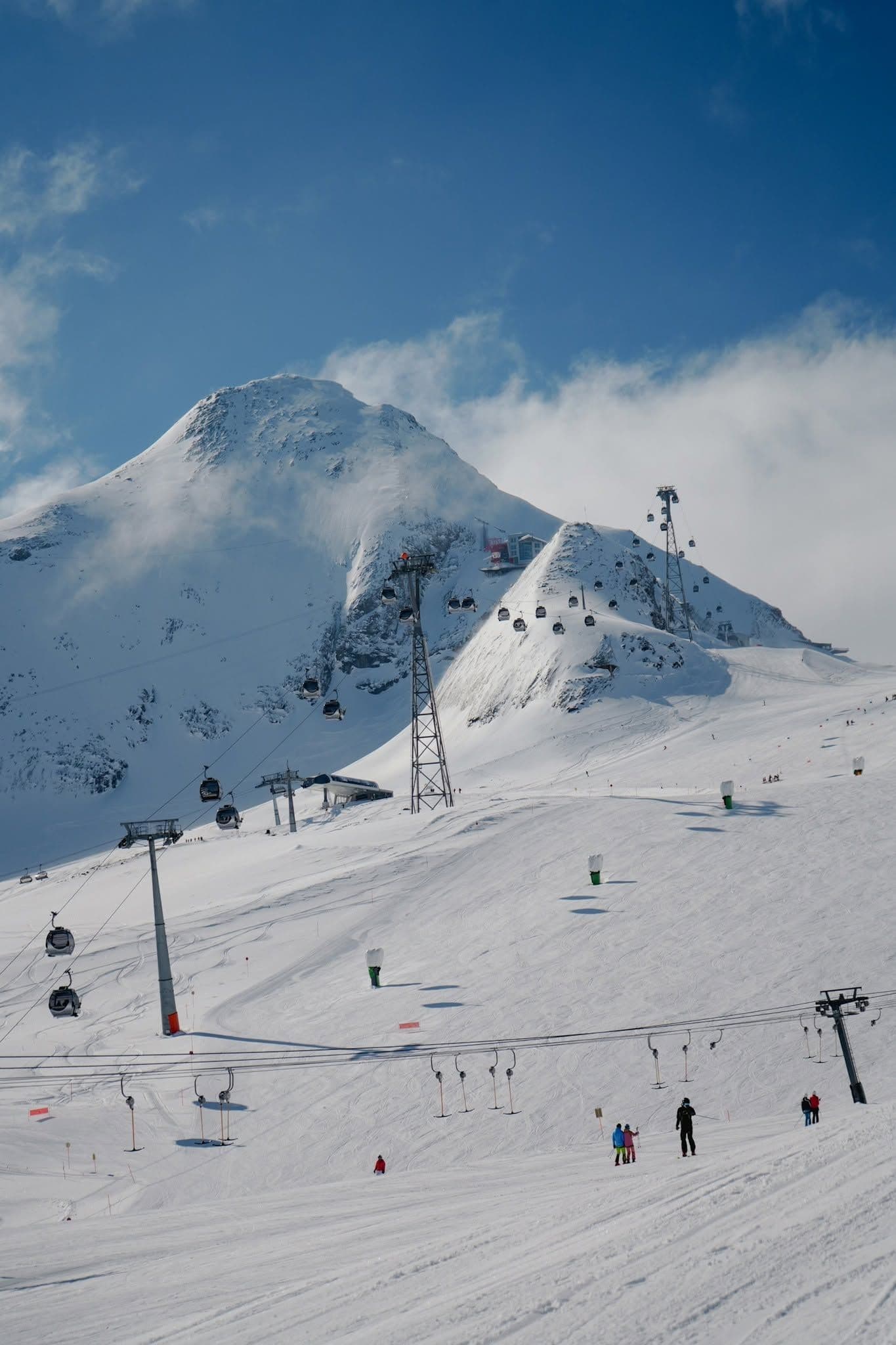
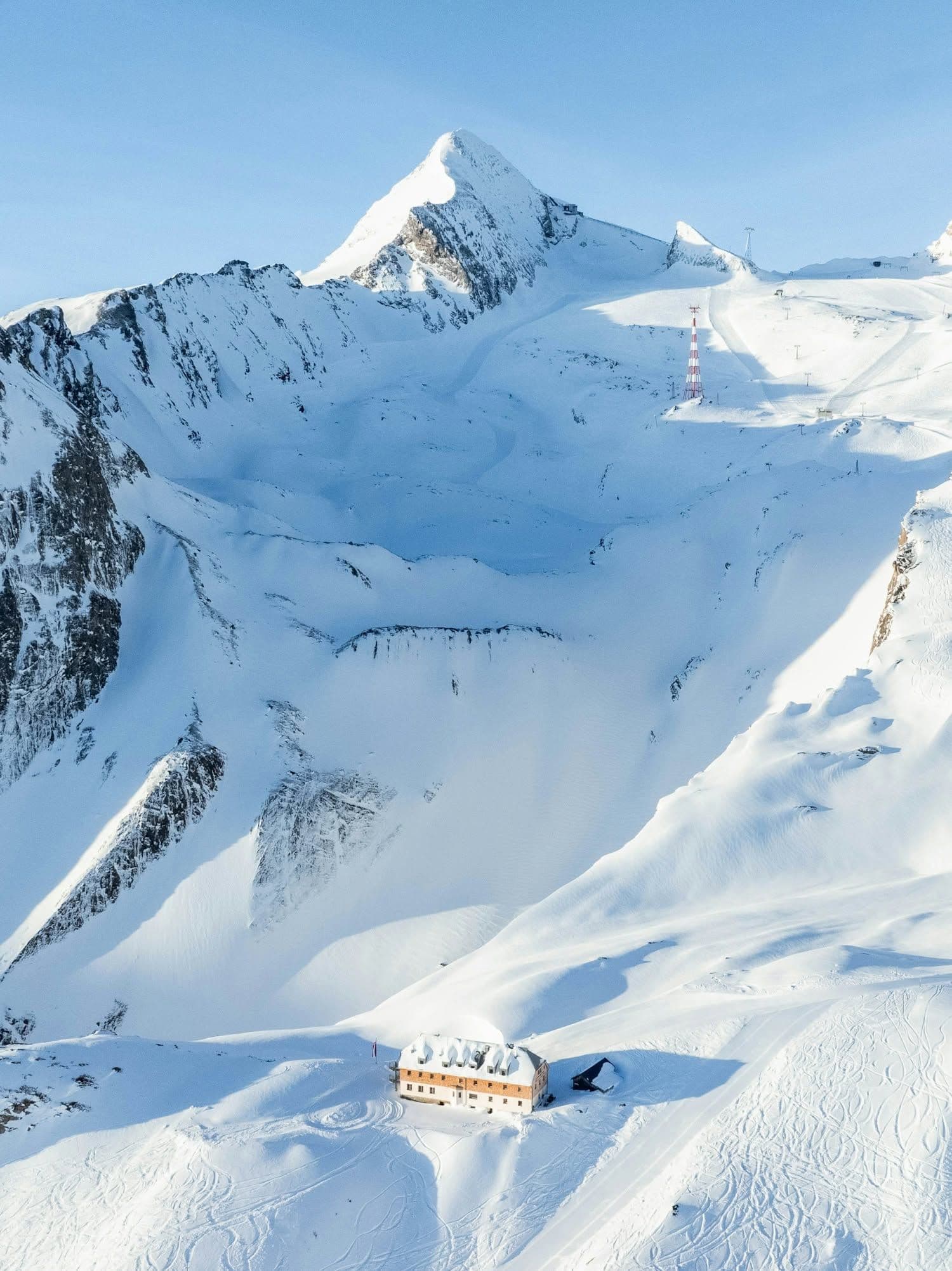
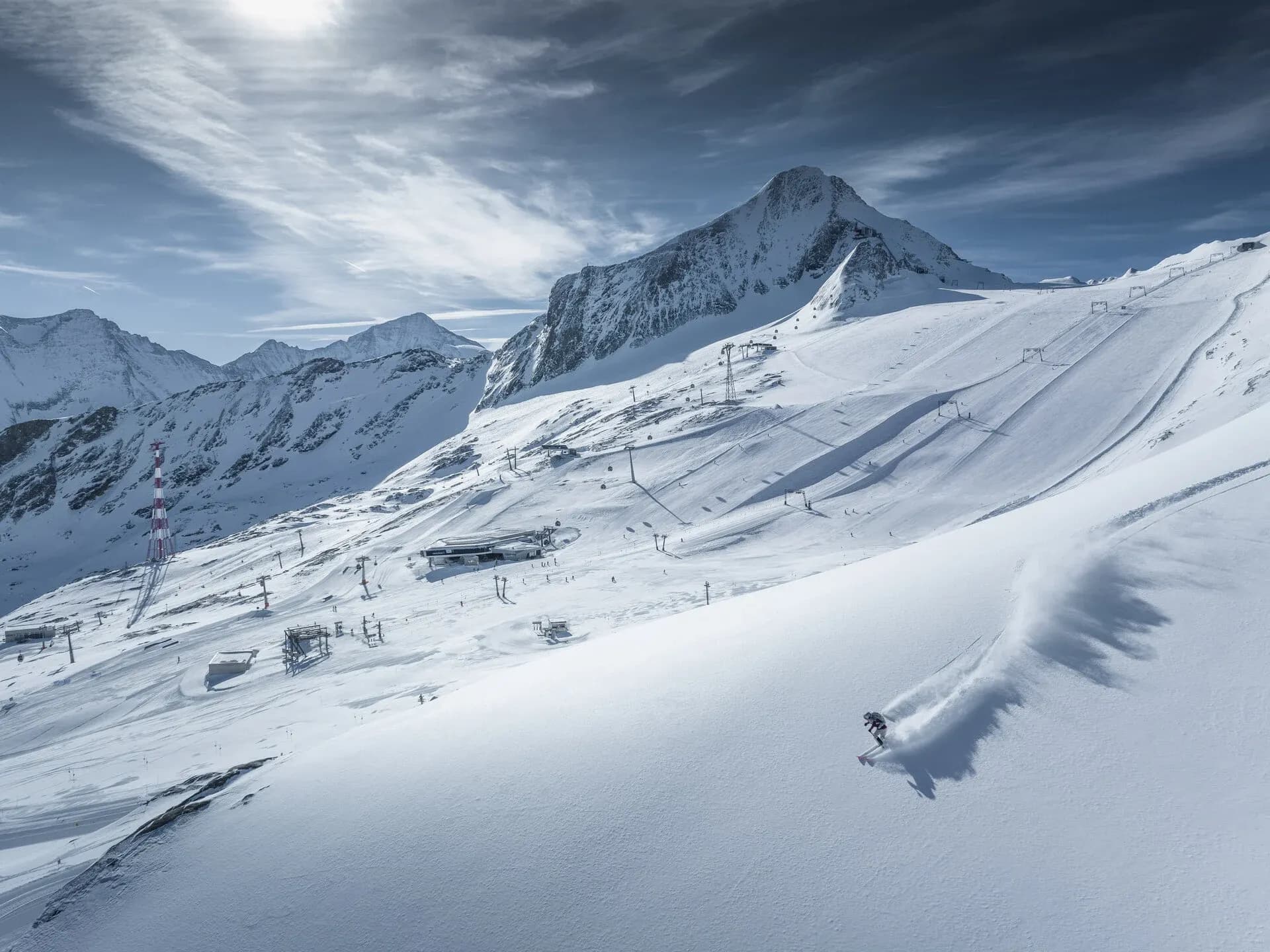
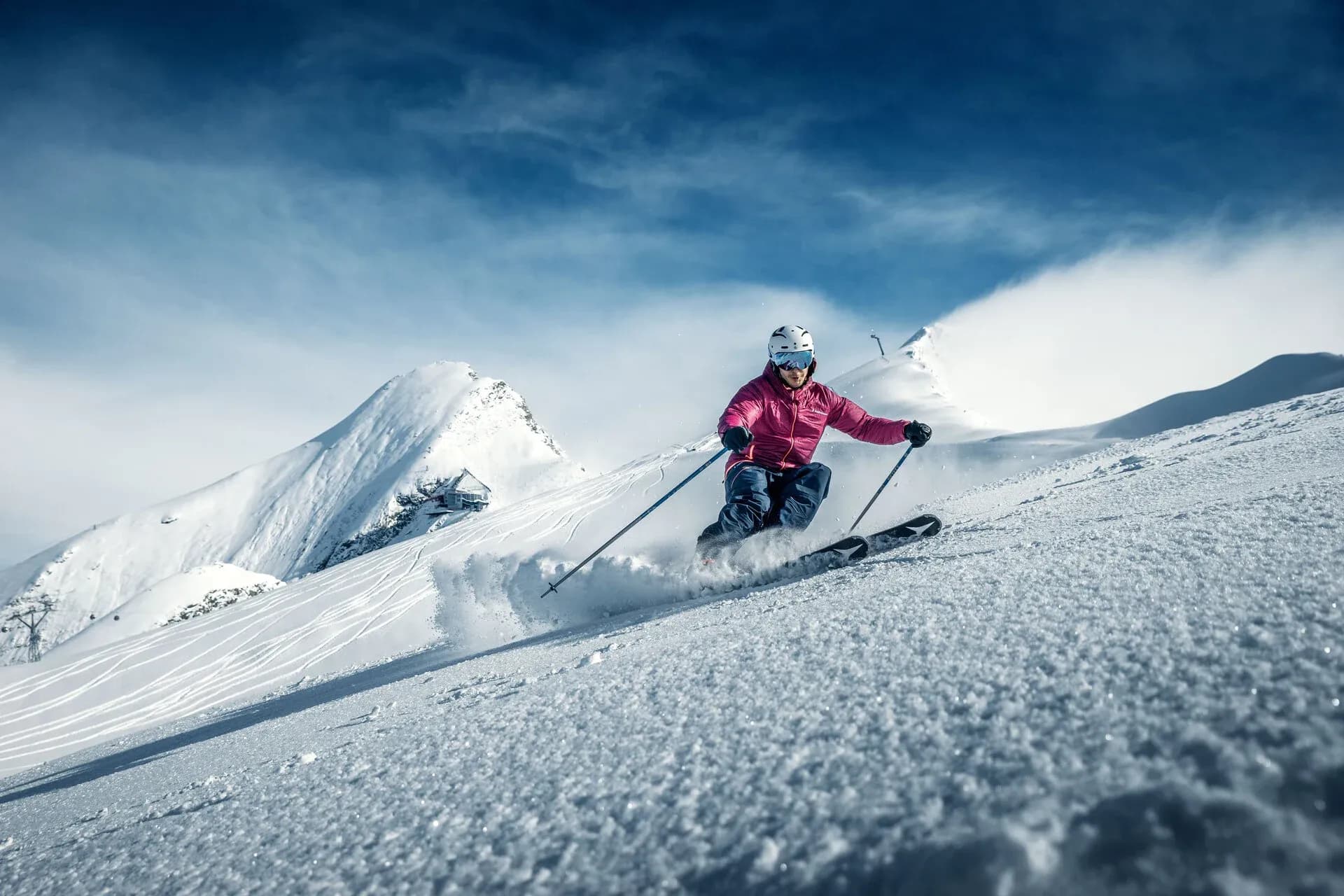
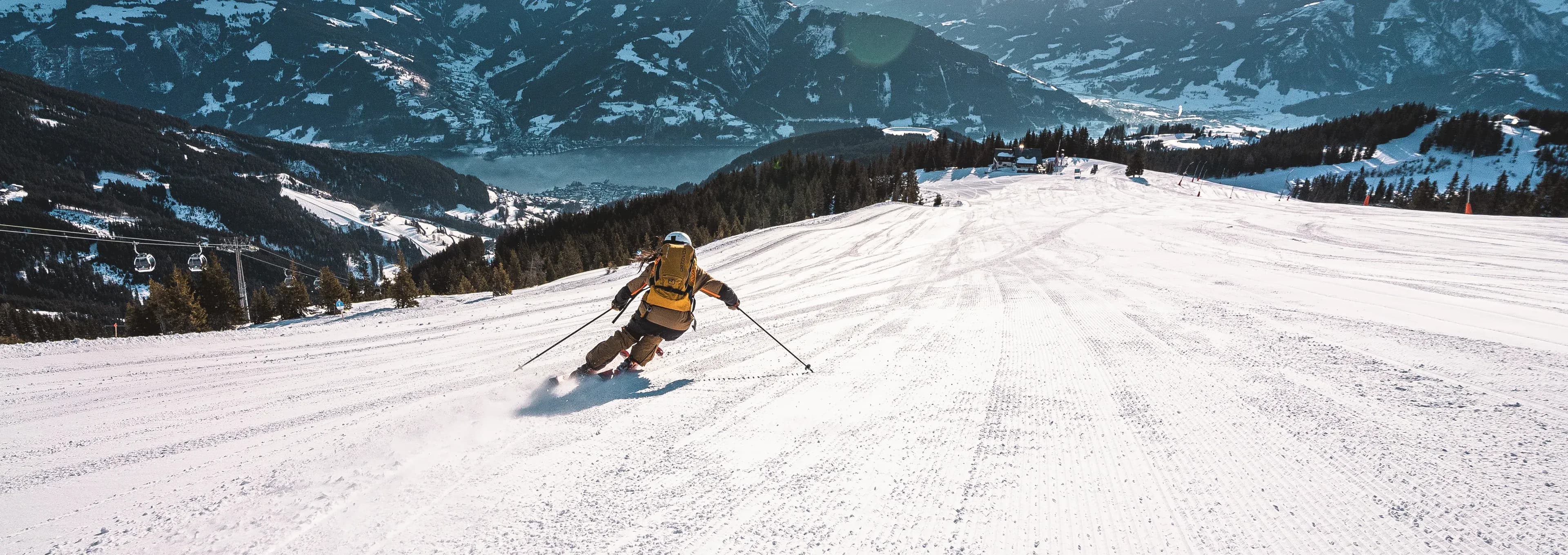
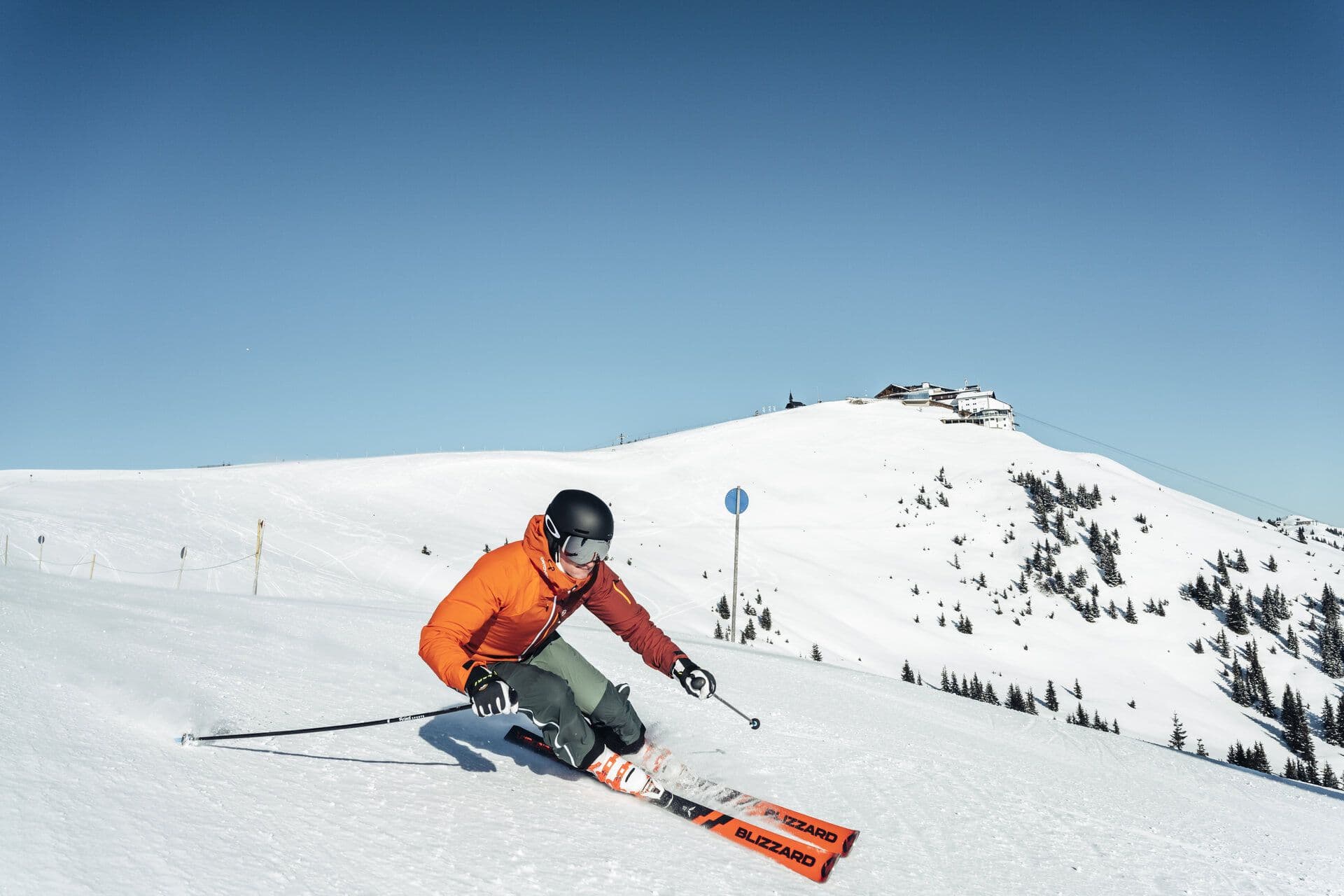
Click to expand • 8 total photos
Terrain & lifts
Resort-reported stats for Zell am See–Kaprun
Lifts
53
Longest run
5.6 km / 3.5 mi
Lift fleet
- Gondola13
- Chondola1
- Aerial tram3
- Surface lift13
- Funicular1
Resort Info
Season dates
Future dates are operator estimates and may change.
Ski passes
Salzburg Super Ski Card
Access tiers change by season — confirm benefits on the pass operator's site.
Top Après Ski
Off Piste Bar – Renowned for its energetic après-ski scene, Off Piste Bar in Zell am See offers live music, themed parties, and a welcoming atmosphere that draws both locals and visitors for post-ski celebrations.
Season vs Historic
Updated Fri, Oct 30, 10:07 PM UTC
8cm
Season Total
This Season to Date
-12%
vs 5-Year Avg
9cm avg by now
-68%
vs 30-Year Avg
25cm avg by now
9cm
5-Yr Avg by Now
This season is at 7.9 cm to date. The last completed season totaled ~7.9 cm. That's 12% below the 5-year average (9 cm). Versus the 30-year baseline: 68% below the 30-year average (25 cm).
Zell am See–Kaprun Season Snowfall
Loading the ledger…
Zell am See–Kaprun Snow History
Average annual snowfall is 415cm with an average of 83 snowfall days per season. The recent decade runs 33% below this average (280cm over the last ten tracked seasons). The table below shows monthly averages across 30 seasons of archive data (modeled snowpack at mid-elevation).
| Month | Avg Snowfall | Snowfall Days | Avg Base Depth | Max Base Depth | Biggest Snowfall |
|---|---|---|---|---|---|
| November | 53cm | 10 days | 15cm | 37cm | 13cm |
| December | 59cm | 12 days | 47cm | 69cm | 12cm |
| January | 61cm | 12 days | 78cm | 98cm | 12cm |
| February | 57cm | 12 days | 99cm | 117cm | 12cm |
| March | 61cm | 12 days | 105cm | 127cm | 12cm |
| April | 45cm | 9 days | 82cm | 113cm | 10cm |
| May | 22cm | 5 days | 17cm | 53cm | 8cm |
Source: SnowSure archive · Open-Meteo ERA5 reanalysis at mid-elevation. Depth is modeled, not resort-reported.
Season at a Glance
Next season(2026-27)
Opens Nov 30, 2026
Multi-season averages will appear once SnowSure has tracked more than one full season.
Best Months to Visit
February
Peak Season
January
Peak Season
March
Good
December
Good
Note: Based on typical ski season patterns for this region.
Frequently asked questions about Zell am See–Kaprun
- Where is Zell am See–Kaprun?
- Zell am See–Kaprun is a ski resort in Austria.
- How high is Zell am See–Kaprun?
- Zell am See–Kaprun runs from a base elevation of 758 m (2,487 ft) to a summit of 1,964 m (6,444 ft), giving a vertical drop of 1,206 m (3,957 ft).
- How big is Zell am See–Kaprun?
- Zell am See–Kaprun has 41 marked runs and 53 lifts.
- Which ski pass covers Zell am See–Kaprun?
- Zell am See–Kaprun is on the Epic Pass and Salzburg Super Ski Card. Access terms such as blackout dates and day limits vary by pass tier, so check the pass operator for the current season.
- How much snow does Zell am See–Kaprun get in a typical season?
- Zell am See–Kaprun averages 118 inches / 300 cm of snowfall in a typical season. Any individual season can run well above or below that.


